
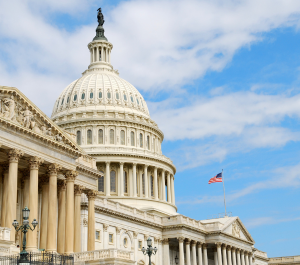
Since midnight on October 1st, 2025, the U.S. federal government has been operating under a shutdown. This was due to Congress not passing the full set of appropiation bills (or a continuing resolution) to fund federal agencies for Fiscal Year 2026 by the deadline of September 30th.
What’s being affected:
- Federal Employees: Estimates suggest that around 750,000 workers have been furloughed (sent home without pay) and millions of “excepted” employees (those who are deemed essential) are working without pay.
- Essential services (e.g., Social Security payments, Medicare, certain law enforcement, etc.) continue; but administrative delays are likely.
- Many services has been suspended or limited: Some national parks and museums are closed or are operating with the minimum number of personnel. The regulatory and administrative work at many agencies is paused.
- IRS Services: In-person services at Taxpayer Assistance Centers (TACs) are closed, and scheduled in-person appointments are cancelled until the government reopens. Paper returns and correspondence processing is largely delayed, meaning refunds or responses tied to paper filings could face longer waits. Live telephone customer service is extremely limited.
Economic & Broader Impacts:
- It is suggested that the economy could lose around $15 billion in GDP (Gross Domestic Product) for each week that the shutdown continues.
- The Congressional Budget Office (CBO) estimated that, depending on how long the shutdown endures, $7 billion to $14 billion of economic output could be permanently lost.
We understand that the cancellation, pause, or delay of many of these services can be frustrating. However, we encourage you to stay informed and check agency guidance frequently for any government notices and news updates.